China's Strategic Maneuvers: Taiwan Tensions, Central Asia Diplomacy, and Industrial Upgrades Amid Global Geopolitical Shifts
Taiwan's Strategic Significance: US-China Dialogues Intensify Amid Global Concerns
Recent coverage from various media outlets has highlighted the escalating focus on Taiwan in US-China relations, underscoring the island's strategic significance in global geopolitics. Liberty Times reported on a revealing interview with Kurt Campbell, a former US Deputy Secretary of State, who confirmed that Taiwan has become a pivotal topic in discussions between US President Joe Biden and Chinese President Xi Jinping. Campbell emphasized the importance of maintaining strategic stability in the Taiwan Strait, warning against using military sales to Taiwan as bargaining chips in US-China negotiations. This stance is crucial for maintaining the strategic trust that has underpinned US policy towards Taiwan for decades. Such developments have significant implications for international markets and global security, as any shift in the status quo could disrupt supply chains and economic stability in the Asia-Pacific region.
Meanwhile, Global Times and another article from Global Times highlighted China's diplomatic efforts to counter Taiwan's international engagements. China's lodging of "solemn representations" to Italy and the EU over Taiwanese politicians' travels reflects Beijing's firm stance on Taiwan's sovereignty, reinforcing the message that Taiwan is an inseparable part of China. This narrative is consistent with China's long-standing policy and has implications for European and global diplomacy, as it pressures international actors to navigate their relations with Taiwan carefully.
CCTV News further echoed this sentiment, reiterating China's position that aligning with "Taiwan independence" forces offers no future. This consistent messaging from Chinese state media underscores China's unwavering stance on Taiwan, which affects how international businesses and investors assess risks related to cross-strait tensions.
The collective coverage from these media outlets illustrates the heightened diplomatic and strategic activities surrounding Taiwan. For international audiences, especially policymakers and investors, these developments signal potential volatility in the region. They must consider the broader strategic and economic implications, such as the potential for military escalation and its impact on global supply chains, particularly in the tech industry, where Taiwan plays a critical role.
US Push for Leadership Change in Ukraine Amid Energy Ceasefire: Global Implications
Recent developments highlight a significant push by the United States for a leadership change in Ukraine, as President Trump calls for the replacement of Ukrainian President Volodymyr Zelenskyy. This move comes amid the announcement of an 'energy ceasefire' between Russia and Ukraine, purportedly agreed upon to stabilize global oil markets and alleviate domestic political pressure on Trump ahead of the US midterm elections.
Sina reports that the UK has expressed support for Zelenskyy, emphasizing Ukraine's sovereignty in deciding its leadership. This stance underscores the UK's alignment with Ukraine against external pressures, reflecting broader Western support for Ukrainian autonomy.
Meanwhile, CCTV offers a minimal report, focusing on the procedural aspects of the ceasefire and potential for Ukrainian elections, without delving deeply into the geopolitical nuances or the implications of a leadership change.
Another article from Sina details Zelenskyy's surprise at the ceasefire announcement, highlighting potential miscommunications or strategic ambiguities between the involved parties. Zelenskyy's conditional acceptance of the ceasefire, contingent on Russian President Vladimir Putin's agreement, points to underlying tensions and the complexity of implementing such agreements.
These developments indicate a strategic maneuver by the US to influence Ukrainian politics, potentially to secure a more favorable leader amid ongoing conflict with Russia. For international markets, a stable energy ceasefire could lower oil prices, impacting inflation and economic stability worldwide. For US and EU policies, this situation underscores the delicate balance of supporting Ukraine's sovereignty while managing energy dependencies.
Global investors and policymakers should watch closely, as shifts in Ukrainian leadership or the success of the ceasefire could dramatically alter the geopolitical landscape, affecting everything from energy markets to international alliances.
China's Strategic Responses to Regional Tensions and International Criticism
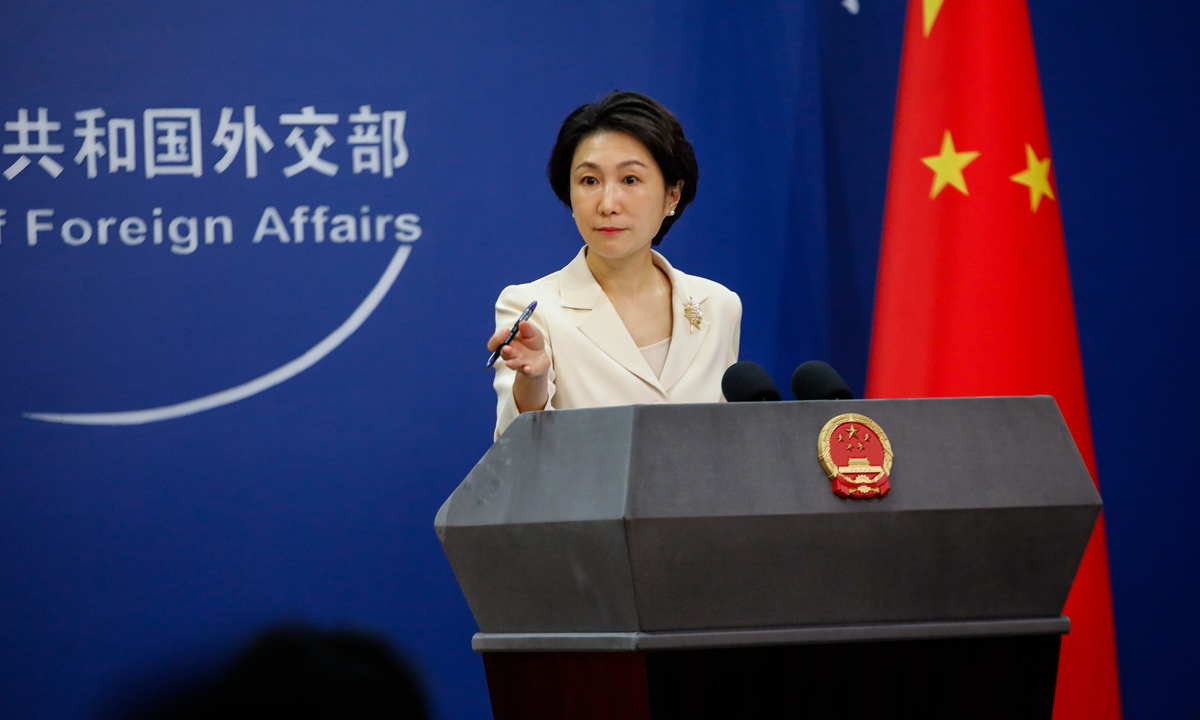
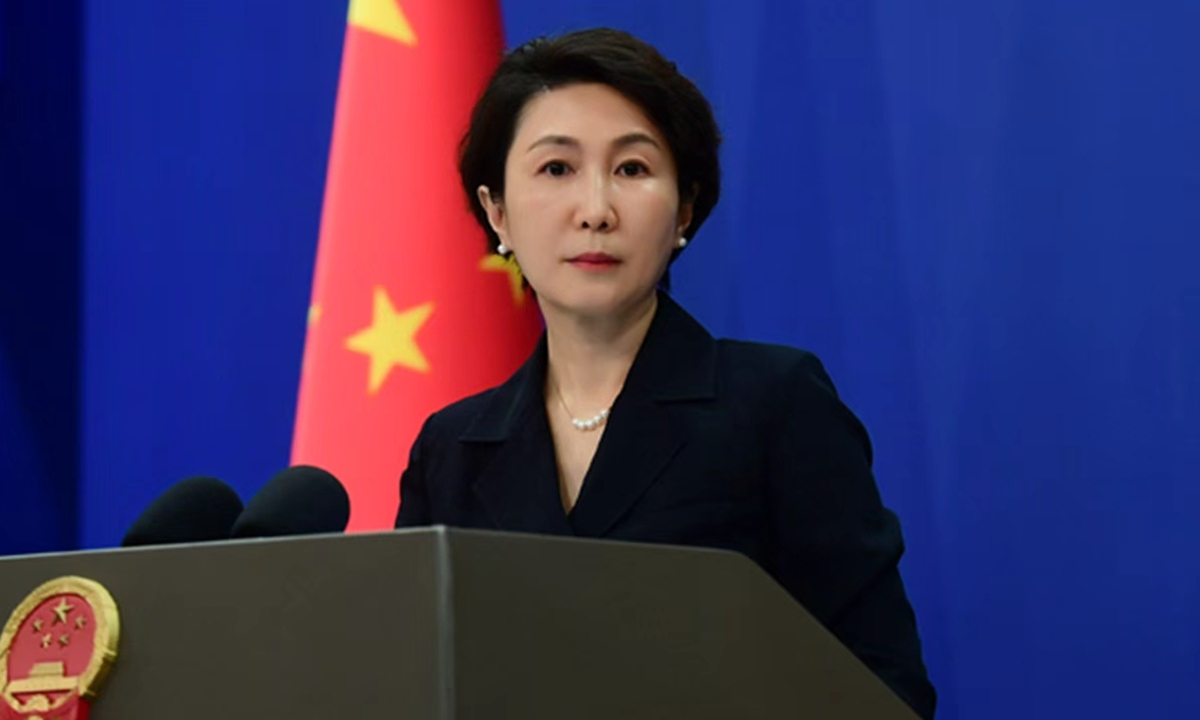
Recent statements from Chinese officials highlight China's proactive diplomatic stance in addressing both regional tensions and international criticisms. According to Global Times, Chinese foreign ministry spokesperson Mao Ning reiterated China's firm opposition to activities undermining its territorial claims, including in its exclusive economic zones. This reflects China's ongoing emphasis on sovereignty issues, particularly as they relate to its maritime claims, which have significant implications for global shipping routes and regional security dynamics. International markets and policymakers must consider the potential for increased maritime disputes to disrupt trade flows and regional stability.
Additionally, China has expressed strong opposition to external influences perceived as supporting "Taiwan independence," lodging formal complaints with Italy and the European Union. This move underscores China's sensitivity to international engagement with Taiwan, which could complicate diplomatic relations between China and Western nations, potentially affecting trade agreements and geopolitical alignments.
In a related development, Xinhua reported China's condemnation of attacks on civilian infrastructure, such as the recent incident at a Middle Eastern airport. China's call for dialogue over conflict escalation indicates its broader strategy to promote stability and peace, aligning with its global image as a responsible power. This stance may influence international perceptions of China's role in conflict resolution and its diplomatic relationships with countries involved in regional conflicts.
These developments suggest a multifaceted approach by China to safeguard its national interests while navigating complex international landscapes. For global investors and policymakers, understanding China's strategic priorities is crucial for anticipating shifts in international trade policies, regional security alliances, and economic partnerships.
China's Diplomatic Foray into Central Asia: Implications for Global Geopolitics
Recent developments underscore China's strategic diplomatic moves in Central Asia, as highlighted by a series of articles reporting on Chinese Foreign Minister Wang Yi's upcoming visits. According to Xinhua, Wang Yi, representing President Xi Jinping, will attend the Asia Cooperation and Confidence Building Measures (CICA) summit in Kazakhstan and subsequently visit several Central Asian countries, including Azerbaijan, Kazakhstan, Kyrgyzstan, and Belarus.
The Foreign Ministry of China echoes this itinerary, emphasizing the importance of strengthening ties and fostering regional cooperation. This diplomatic mission is part of China's broader Belt and Road Initiative (BRI) strategy, aimed at enhancing connectivity and economic integration across Eurasia.
These visits carry significant implications for international markets and geopolitical dynamics. As China deepens its economic and political influence in Central Asia, it presents both opportunities and challenges for global businesses and investors. The region's vast natural resources and strategic location make it a focal point for energy and infrastructure investments, potentially reshaping global supply chains.
For the United States and European Union, China's engagement in Central Asia could signal a shift in the geopolitical balance, necessitating recalibrated foreign policies. As China strengthens its foothold, Western powers might need to rethink their strategic presence and alliances in the region to maintain influence.
Furthermore, Wang Yi's diplomatic outreach highlights China's intent to secure regional stability and foster multilateral cooperation, which could have broader strategic implications. By positioning itself as a key player in regional security and economic development, China aims to counterbalance Western influence and assert its role as a global leader.
Overall, these developments indicate China's proactive stance in shaping regional geopolitics, with far-reaching consequences for global diplomacy, trade, and strategic alliances. International stakeholders should closely monitor these moves, as they will likely affect future economic and political landscapes worldwide.
China's Internal Development Strategies and Their Global Impact
The articles from Qiushi Journal (求是网) explore the transformation and development of China's domestic policies, particularly focusing on the evolution of the 'military corps spirit' and the enhancement of small and medium-sized enterprises (SMEs) within China. These discussions are integral to understanding China's strategic positioning both domestically and internationally.
The first article delves into the historical and ongoing transformation of the 'military corps spirit' as a reflection of China's societal needs. This spirit, characterized by patriotism, selflessness, and innovation, has evolved alongside China's major social contradictions, transitioning from addressing material needs to improving quality of life. The article highlights the role of the military corps in stabilizing and developing regions like Xinjiang, emphasizing the strategic importance of these areas in China's national security framework. This has broader implications for international markets and investors, as it underscores China's focus on regional stability as a foundation for economic growth.
The second article addresses the development of SMEs, which are pivotal in driving innovation, employment, and improving living standards in China. The emphasis on transitioning from quantity expansion to quality improvement signals a shift towards high-value production and efficiency. This development is crucial for international businesses and investors as it suggests a move towards more competitive and innovative Chinese enterprises, potentially affecting global supply chains and trade dynamics.
Both articles reflect an underlying theme of internal consolidation aimed at fortifying China's economic and social base. For international audiences, these narratives highlight China's strategic focus on self-reliance and modernization, which could influence global economic patterns, particularly in technology and manufacturing sectors. The emphasis on innovation and quality in China's domestic policies may lead to increased competition in global markets, affecting U.S. and EU businesses and prompting policy adjustments in response to China's evolving economic capabilities.
Overall, these articles from Qiushi Journal serve as a reminder of China's deliberate and strategic approach to domestic development, which is intrinsically linked to its global ambitions and impacts. Understanding these internal strategies is crucial for international stakeholders to anticipate China's future moves on the global stage.
Escalating Conflicts in the Middle East: Houthi Attacks on Saudi Arabia's Strategic Sites and Global Implications
Recent developments in the Middle East have seen a significant escalation in conflict, as Houthi forces have launched multiple attacks on key Saudi Arabian infrastructure, including airports and energy facilities. This surge in military actions not only threatens regional stability but also has profound implications for global markets and international policies.
According to BBC, the Houthis have intensified their assaults on Saudi Arabia, targeting the King Khalid Airport in Riyadh and other critical facilities. These attacks resulted in significant casualties, with at least 14 people killed and over 300 injured. The strategic targeting of these sites underscores the vulnerabilities in Saudi Arabia's air defense systems, raising concerns about the safety of civil aviation in the region.
On the other hand, Xinhua reports that the Saudi-led coalition claims to have intercepted some of the missiles, yet the frequency and precision of the attacks are alarming. The Houthis have been using drones and ballistic missiles to strike important infrastructure, causing disruptions in air traffic and sparking fires at energy installations.
These developments suggest a strategic shift by the Houthis to exert pressure on Saudi Arabia by threatening its economic lifelines. The attacks on energy facilities, as reported by Xinhua, could have ripple effects on global oil markets, potentially driving up prices and affecting energy security worldwide.
Both sources highlight the geopolitical significance of these attacks. The BBC notes that the conflict must be viewed within the broader context of US-Iranian tensions, as Iran supports the Houthis. This connection adds a layer of complexity to the conflict, drawing in international stakeholders and potentially influencing US foreign policy decisions.
For international readers, the implications are clear. The instability in the Middle East could lead to fluctuations in global energy prices and affect international shipping routes, notably through the Red Sea, a critical passage for global trade. Moreover, the conflict's escalation could prompt shifts in US and EU policies towards the region, potentially involving military or diplomatic interventions.
These articles collectively underline the urgent need for a diplomatic resolution to the conflict, as continued hostilities could further destabilize the region and have far-reaching consequences for international peace and security.
China's Industrial Upgrading: A Global Opportunity for Economic Growth
Recent reports from CCTV highlight how China's ongoing development and industrial upgrades are perceived positively by international experts, suggesting significant opportunities for global economic growth. The article from CCTV underscores China's strategic focus on innovation and technology as pivotal to its economic transformation. This emphasis on industrial upgrading aligns with China's broader goals to enhance its competitive edge in global markets, particularly in high-tech sectors.
For international markets and investors, China's advancements signal potential new avenues for trade and investment, particularly in sectors like green technology, artificial intelligence, and advanced manufacturing. These developments could lead to increased demand for foreign partnerships and collaborations, providing lucrative opportunities for businesses worldwide.
From a policy perspective, the EU and the US may need to recalibrate their strategies to maintain competitiveness as China boosts its technological capabilities. This could involve investing more in R&D and fostering innovation ecosystems to counterbalance China's growing influence in tech-driven industries.
For global readers, understanding China's industrial evolution is crucial, as it not only affects the balance of economic power but also shapes the global supply chains and technological landscapes. As China continues to climb the value chain, international businesses must adapt to this new reality to remain competitive.