Social Media Ethics Debated After Panama Earthquake; China-UK Tensions Escalate; China's AI Growth and Taiwan's Political Shifts Impact Global Dynamics

Social Media Influence and Disaster Ethics: The Debate Over a Viral Photo in the Aftermath of the Panama Earthquake
In the wake of a 7.7 magnitude earthquake in Panama, a social media influencer known as Gracie Bon has sparked significant controversy by posting photos taken at a disaster site. The images, showing her posing amidst the ruins, have ignited a heated debate about the ethics of using disaster scenes for personal gain on social media.
According to Tencent News, the influencer, who has a following of nearly 12 million, faced backlash for seemingly exploiting the tragedy for attention. The photos depicted her in a blue jeans and white top, striking poses against a backdrop of collapsed buildings and debris. The accompanying caption highlighted the harsh realities faced by disaster victims, stating, "This is the reality of my country after the earthquake. Material things can be restored, but life is priceless. Live in the moment, and be grateful for what you have." Despite the intended message of solidarity and awareness, the public reaction was overwhelmingly negative.
Another article from Tencent News elaborates on the backlash, noting that commenters accused Gracie Bon of turning the disaster site into a "photo studio" for personal promotion. Critics argued that her actions were insensitive to the plight of those who lost their homes and loved ones, questioning whether she had hired a photographer specifically to capture her in the disaster zone. The influencer responded by claiming her intention was to draw attention to the need for donations and aid, arguing that her presence in the photographs would amplify the reach and impact of her message.
This incident underscores the complex interplay between social media influence and ethical considerations during crises. It raises important questions about the role of influencers in humanitarian contexts and the potential for their platforms to both aid and exploit disaster situations. For international audiences, this highlights the broader implications of social media in shaping public perception and response to global events. The incident also serves as a reminder for businesses and policymakers to consider the ethical dimensions of digital engagement, particularly in sensitive contexts.
As the debate continues, it points to a need for clearer guidelines and discussions around the responsibilities of social media figures in disaster reporting. For the US, EU, and other regions, understanding these dynamics is crucial as they navigate the challenges of digital diplomacy and the influence of social media on international relations and aid efforts.
China-UK Diplomatic Tensions: Allegations and Rebuttals Amidst Global Scrutiny
Recent diplomatic exchanges between China and the UK have highlighted growing tensions, reflecting broader geopolitical dynamics. The Global Times reports on China's firm stance to protect its enterprises against international sanctions, emphasizing China's readiness to safeguard lawful rights. This comes amidst accusations from various countries, including Norway, highlighting the international dimension of these tensions.
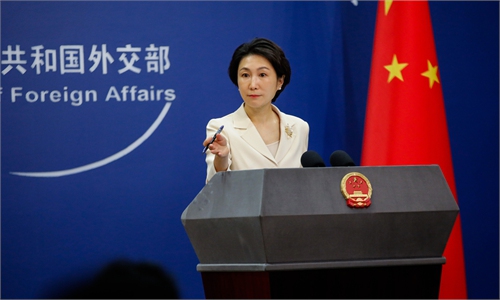
In a parallel narrative, Sina focuses on China's response to UK intelligence officials' claims of Chinese interference. The Chinese embassy in the UK strongly refutes these allegations, labeling them as unfounded and malicious. This reflects China's broader diplomatic strategy of non-interference and its call for the UK to cease spreading false information, which could further strain bilateral relations.
The contrasting narratives from these sources underscore a critical issue of trust and transparency in international relations. For international markets and investors, these developments could signal potential volatility in China-UK trade relations, especially if tensions escalate. Policymakers in the US and EU might view these exchanges as indicative of China's assertive foreign policy posture, potentially influencing their diplomatic strategies and economic policies.
Globally, this situation highlights the intricate balance of power and the importance of diplomatic engagement in mitigating conflicts. It serves as a reminder of the interconnected nature of international relations, where regional disputes can have far-reaching implications on global stability and economic partnerships.
China's AI Investments and Taiwan's Political Landscape: Global Implications
Recent developments in China's AI sector and Taiwan's political scene offer crucial insights for international markets and political observers. An article from Tencent News details the strategic moves by Chinese AI companies like DeepSeek and Winverse AI, emphasizing the significant investments and partnerships shaping China's AI landscape. Meanwhile, BBC explores the evolving political dynamics in Taiwan, particularly the shifting power balance between the Kuomintang (KMT) and the Democratic Progressive Party (DPP).
Tencent's report highlights the burgeoning AI ecosystem in China, with DeepSeek's recent funding round, valued at several billion dollars, underscoring the intense competition and collaboration among AI firms. Key players like Winverse AI are forging ahead with innovative projects in artificial general intelligence (AGI), suggesting that China's tech industry is rapidly aligning itself with global AI trends. This surge in AI investments could potentially reshape global tech competition, pressuring US and EU policymakers to bolster their own AI strategies and regulatory frameworks. Investors worldwide should closely monitor these developments as they could influence global supply chains and tech markets.
In contrast, the BBC article sheds light on Taiwan's intricate political landscape as it approaches local elections. The analysis reveals a gradual shift from traditional political alignments, with the 'Blue North, Green South' divide becoming less pronounced. This shift indicates a more dynamic political environment, where regional economic disparities and evolving voter demographics are challenging historical party strongholds. This political evolution could impact cross-strait relations and influence Taiwan's trade policies, especially in the semiconductor industry, which is pivotal to global supply chains.
For international audiences, understanding these narratives is crucial. China's AI advancements could redefine the competitive landscape for global tech firms, while Taiwan's political shifts might alter regional stability and economic ties, affecting international trade and investment strategies. As such, businesses and policymakers must stay informed and adaptable to these geopolitical and technological changes that hold significant implications for global markets and international relations.